
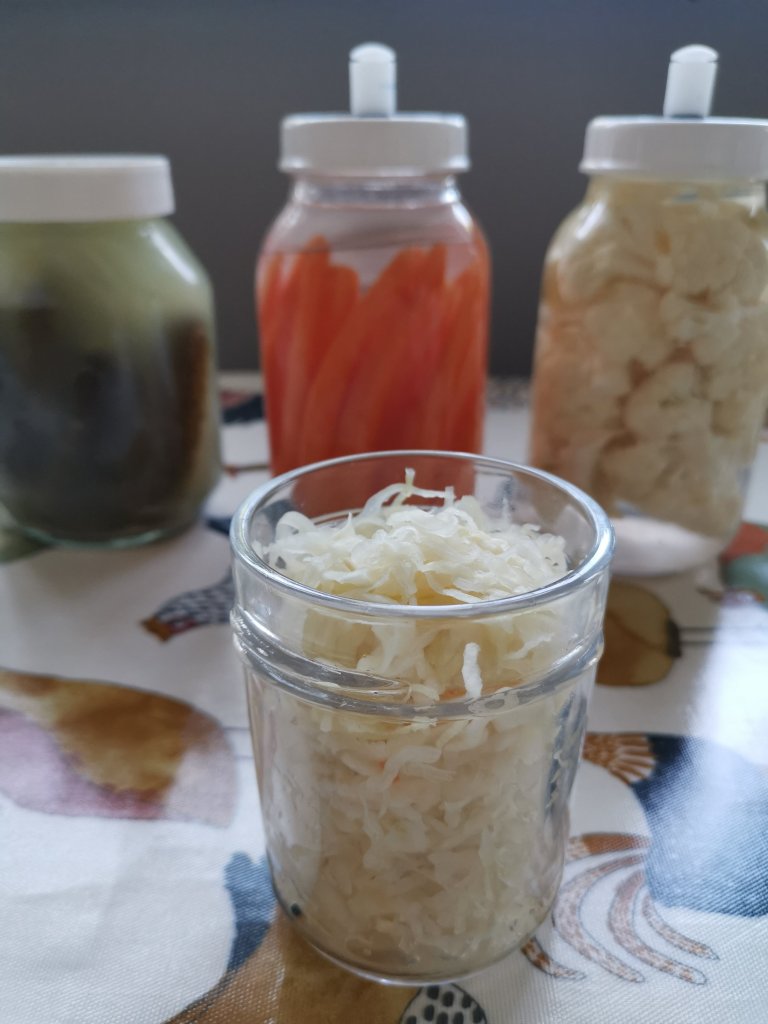
Fermentation is possibly the oldest method of preserving food. It not only makes food available for future use but makes it more digestible and flavourful. According to the International Scientific Association of Probiotics and Prebiotics, fermented food is so fantastic that it should be recommended to include it in our national diet, just like vegetables and fruits.
What is Fermentation?
Fermentation is the controlled decay of material using special bacteria which results in a more desirable product. Technically, fermentation is the biochemical conversion of sugars, starches, or carbohydrates, into alcohol, and organic acids, by bacteria and enzymes.
Types of Fermenting :
Alcohol – Wine, Beer
Acetic – Vinegar, Kombucha
Lactic Acid – Sauerkraut, Yogurt, kimchi
Lacto-fermentation also called lactic acid fermentation. The lactobacillus (beneficial bacteria) converts the foods starch and sugars into lactic acid bacteria (LAB).
Lactobacillus is naturally found in the environment, like in the soil, on the surface of plants, fruits and veggies. LAB help us digest the food we eat and in our gut it eats the sugar turning it into lactic acid. The same process occurs when naturally fermenting foods.
When fermenting most fruits and veggies it is important to add salt. This encourages the beneficial bacterial reactions, lowers the pH, and prevents growth of harmful bacteria.
Benefits of Fermentation:
- Suppresses Helicobacter pylori
- Reduces symptoms of lactose intolerance
- Helps treat Hepatic Disease
- It’s a Probiotic
- Make food more nutrient
- Suport Detoxification
- Prevent disease
- Fight obesity
- Absorbs food Better
- Can reverse Allergies
- can treat anxiety and depression.
https://www.ncbi.nlm.nih.gov/pubmed/27998788 https://www.ncbi.nlm.nih.gov/pubmed/31771117 https://www.ncbi.nlm.nih.gov/pubmed/32024037 https://www.ncbi.nlm.nih.gov/pubmed/24799248
 Mishmash Health